Ataman is an artist whose medium is people's lives. – Bill Horrigan
Küba, Si!
Bill Horrigan, 2005
Küba is absent from the guide-books to Istanbul, but Kutluğ Ataman has journeyed there and back, constructing a portrait of the people and a place as would render a written study pallid. Ataman came upon Küba – a pocket size neighborhood within the Istanbul urban megalopolis prideful of its pedigree of near-universal authoritarian resistance yet visible only to its own residents and to police forces making warily unwelcome incursions – as a guest informant, and has spent the months into years there to make the investment an artist whose material involves the human subject is required to perform.
Kutluğ Ataman on Küba
A thief from Küba will never steal from his neighbours nor will a murderer harm them. A Küban left wing activist will never attack an Islamic or nationalistic resident, nor vice versa. A shared hatred of state and police as well as the developers who threaten their land provides a common bond that unites this community of outsiders. And a strong need to protect themselves from exterior elements is the powerful defining force that has created the borders of this neighbourhood, no larger than 2 football fields. And Küba certainly feels impenetrable. From law enforcers to taxi drivers, the outsider world is reluctant to stray in.
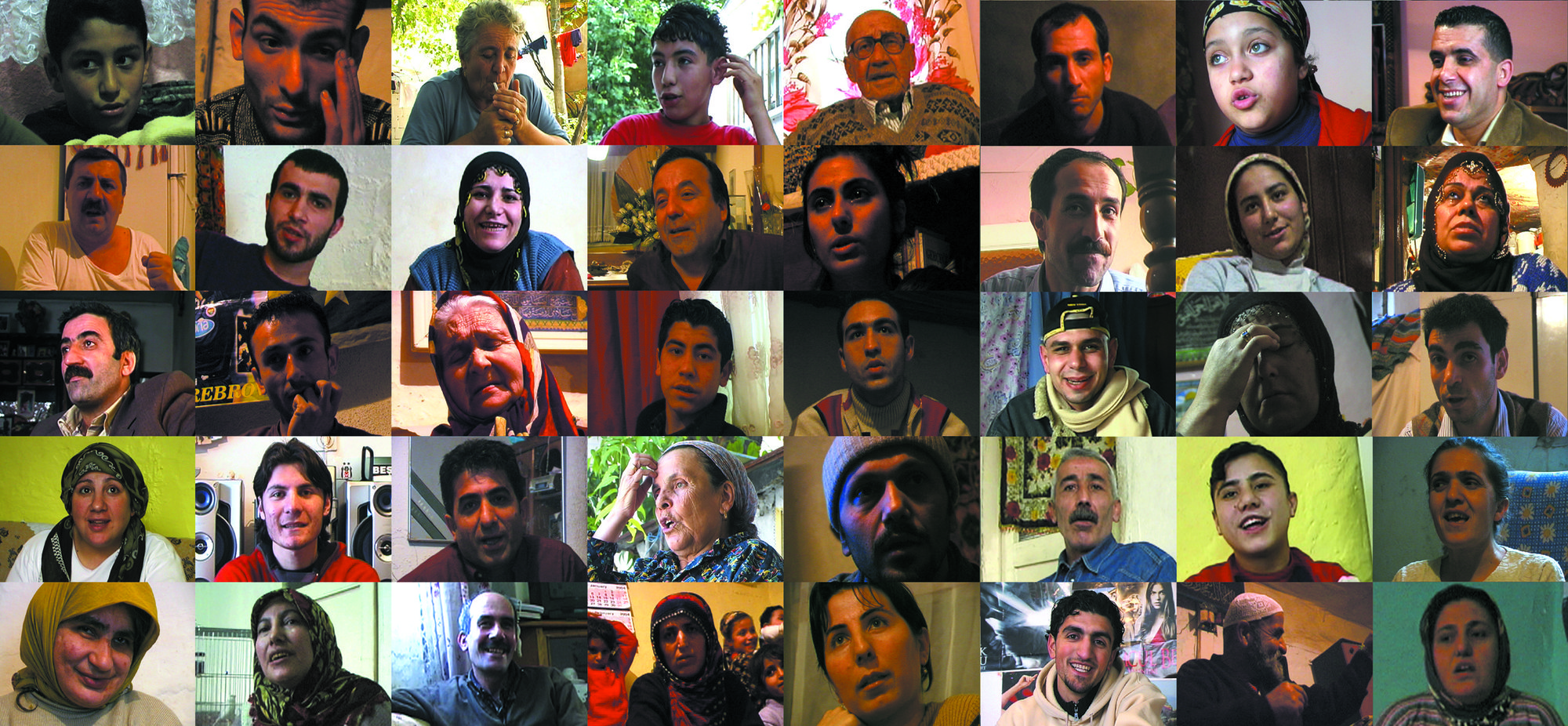
Image: Composite of the 40 portraits of the residents of Küba interviewed by Kutluğ Ataman, 2005.
Kutluğ Ataman
Kutluğ Ataman rejects conventional documentary techniques to make uncompromising yet inspiring portraits, believing that “talking is the only meaningful activity we’re capable of”. He is intrigued by the blurred line between truth and fiction, and the way in which documentary manipulates our perceptions of reality.
Ataman studied film at the University of California, Los Angeles, USA, graduating with an MFA in 1988 and has pursued a career both as a filmmaker and artist. In 2004 Ataman was shortlisted for the Turner Prize at Tate, and he participated in the Carnegie International at the Carnegie Museum of Art in Pittsburgh, where he was awarded its prestigious Carnegie Prize. His solo exhibitions include Paradise, Orange County Museum of Art, Newport Beach, California, 2007 – a video installation in which Ataman offers a remarkable portrait of twenty-four southern Californians who describe their encounter with that place they call “paradise”. Having left Turkey after the military coup, Ataman now lives between London, Istanbul and Buenos Aires.
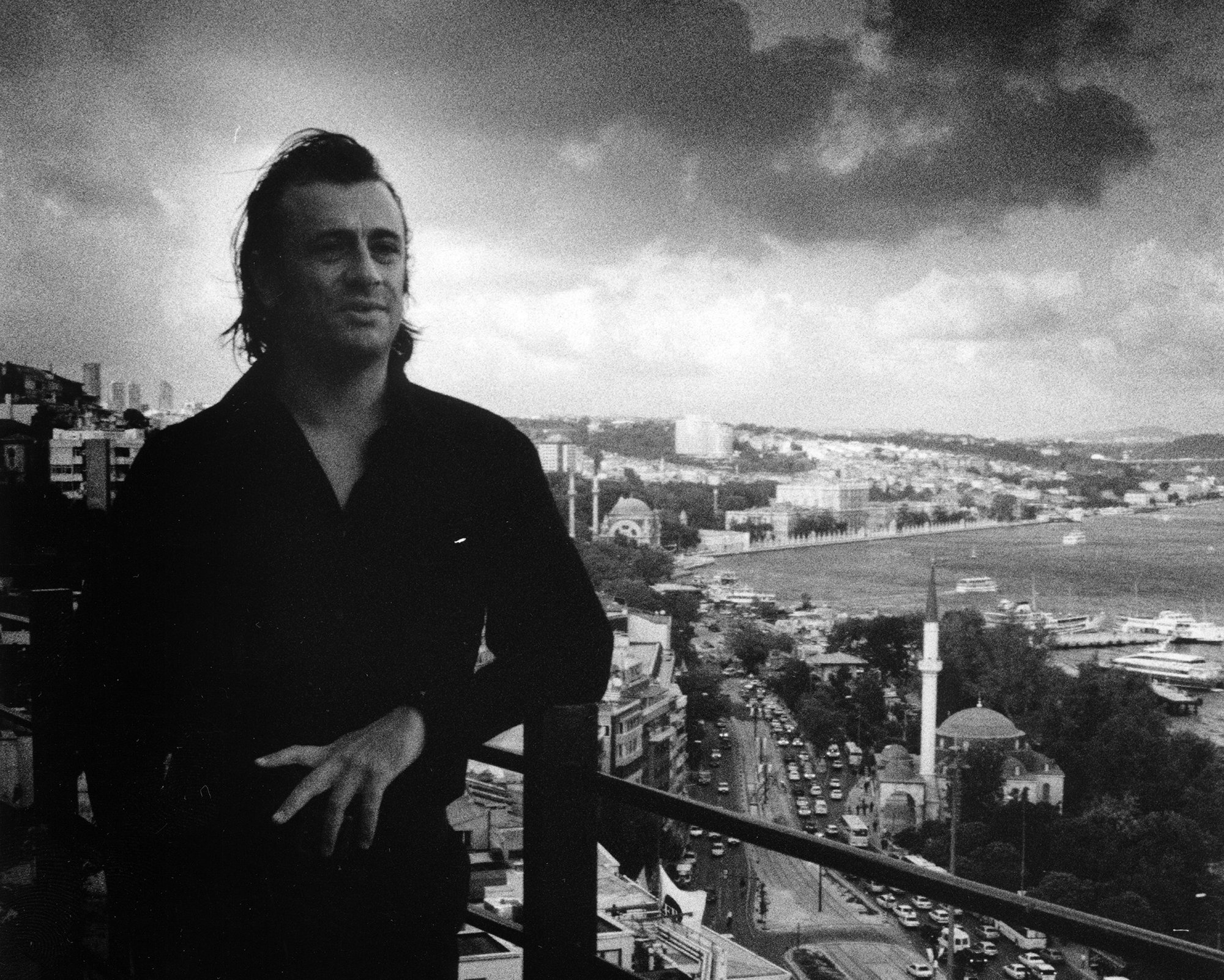
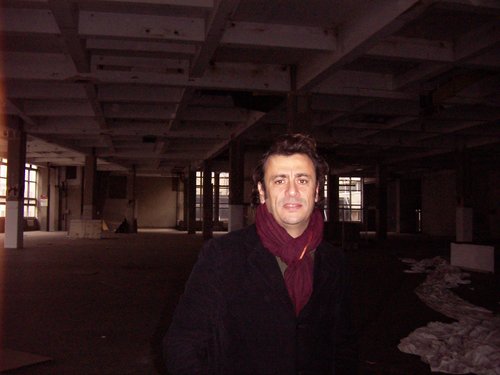
Images: Portrait of the artist Kutluğ Ataman (left) and Kutluğ Ataman at The Sorting Office, New Oxford Street, London (above).
...each screen filled with a different close-up, the room buzzing with 40 voices as each face tells us the story of their life... – Stephen Armstrong, The Times
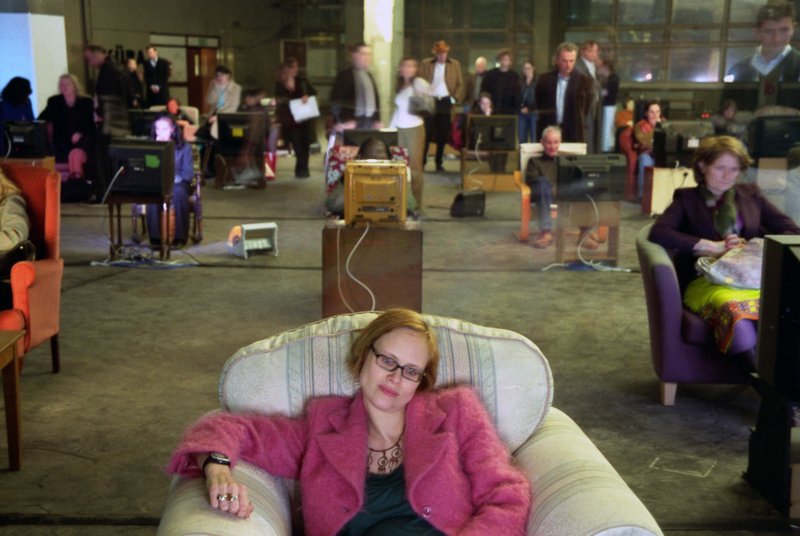
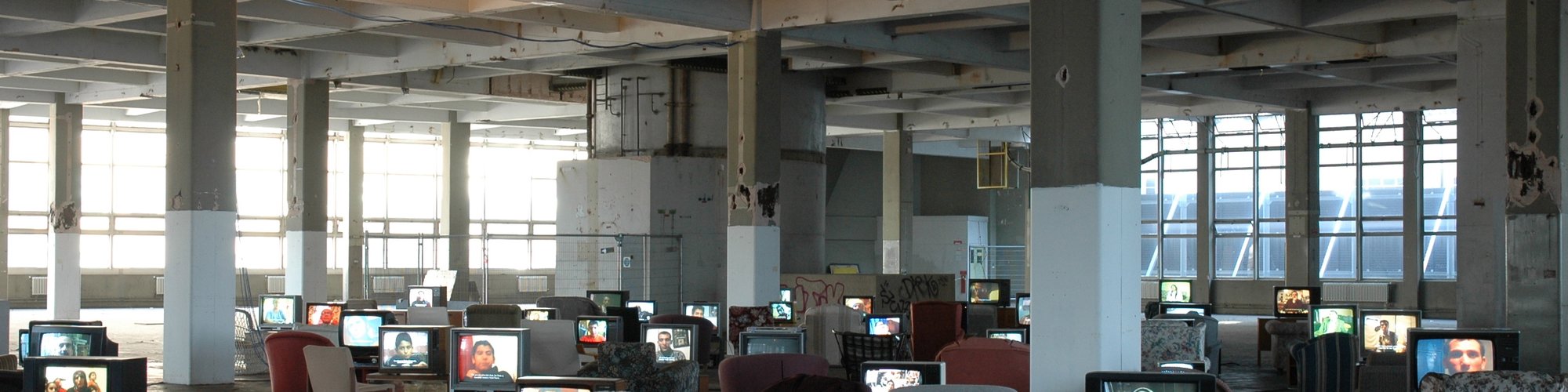
In a large, deserted post-office sorting room in central London stand 40 aged televisions, testament to the time when such things were known as “brown goods”. They stretch out across the space, each screen filled with a different close-up, the room buzzing with 40 voices as each face tells us the story of their life (there are English subtitles). The stories can take hours to unfold; to hear them all would mean days in this bunker. — Stephen Armstrong, The Times, 20 March 2005
Küba is an innovative and brilliant way of grappling with portraiture. When one man moans that the shanty town makes "you forget your humanity", you want to shout back at the screen. Far from it: Ataman's televisions teem with warmth and human life, the narratives are never less than compelling. Sometimes the anxieties expressed can sound prosaic, but out of such universal concerns Ataman has forged a kind of poetry on film. – Alastair Sooke, The Daily Telegraph, 30 March 2005
Oftentimes the stories are shattering. There's Eda, for instance, whose husband beat her repeatedly and didn't come home to see her when she was giving birth in the hospital. You hear from the young boy Avni, who sometimes fights kids from neighboring districts, and who declares that 'peace of mind' is more important than money, and from Ramazan, who is trying to be a good father and husband but who was falsely accused of robbery, and from the Kurd Musaffer who declares, 'All my life I've struggled against the prohibitions in this country.' – Gregory Volk, Art in America, February 2005
These 40 interviews are like private letters, opened and archived; smuggled-out stories delineating the vicissitudes of life within the void or lacuna that is Küba. Ataman has carried out an exercise in urban anthropology, simultaneously composing a fantastic example of Andy Warhol’s claim that in the future everyone will be famous for 15 minutes. But employing a disused building of this kind is a sign, ultimately, not of communication but of a scrambled signal, of frustrated confessions or indecipherable codes. Küba is both intimate and alienating. – Peter Suchin, Frieze, June 2005
Küba
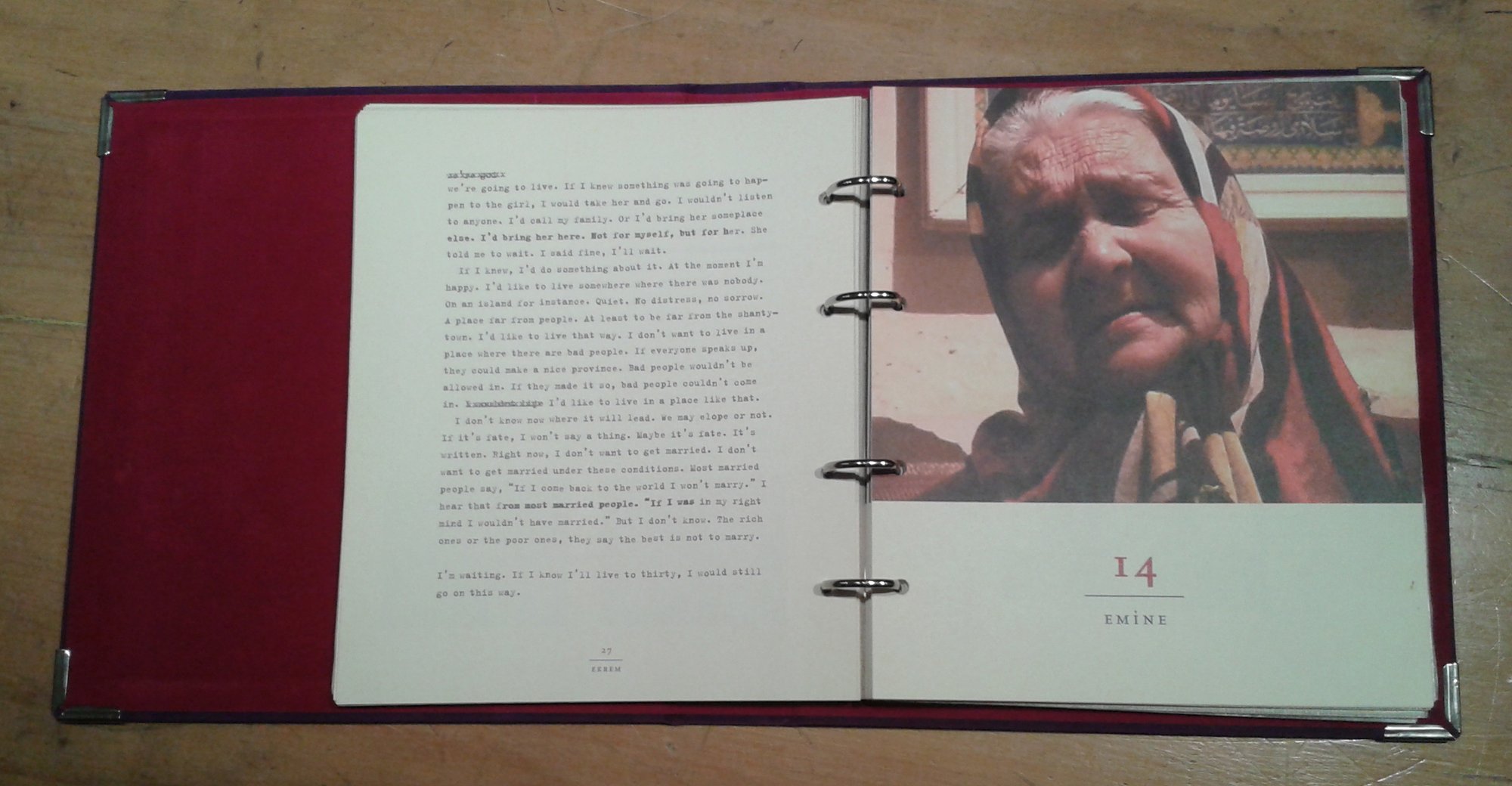
The Küba book, now sold out, took the form of a family photo album, featuring stills and and extracts from the testimonies of all forty Küba residents, with an introduction by Bill Horrigan, Curator, Media Arts, Wexner Center for the Arts, Ohio.
- Co-published by Artangel; Carnegie Museum of Art; Film London; Lehmann Maupin Gallery; MCA, Sydney; T-B A21, Vienna; Theater der Welt 2005, Stuttgart
- Edition of 2,500
- 170pp
- Ring bound, velvet-bound cover produced by buks! Berlin
- Design: Mark Diaper, Eggers + Diaper, Berlin
- 260 x 244mm
- ISBN: 1902201167
Who made this possible?
Credits
Commissioned by Art Angel and co-produced by the Carnegie Museum of Art, Film London, Lehmann Maupin Gallery, Museum of Contemporary Art Australia, Thyssen-Bornwmisza Art Contemporary, and Theater der Welt 2005, Stuttgart.
Artangel is generously supported by Arts Council England, and by the private patronage of The Artangel International Circle, Special Angels, Guardian Angels and The Company of Angels.