
In The Artangel Collection
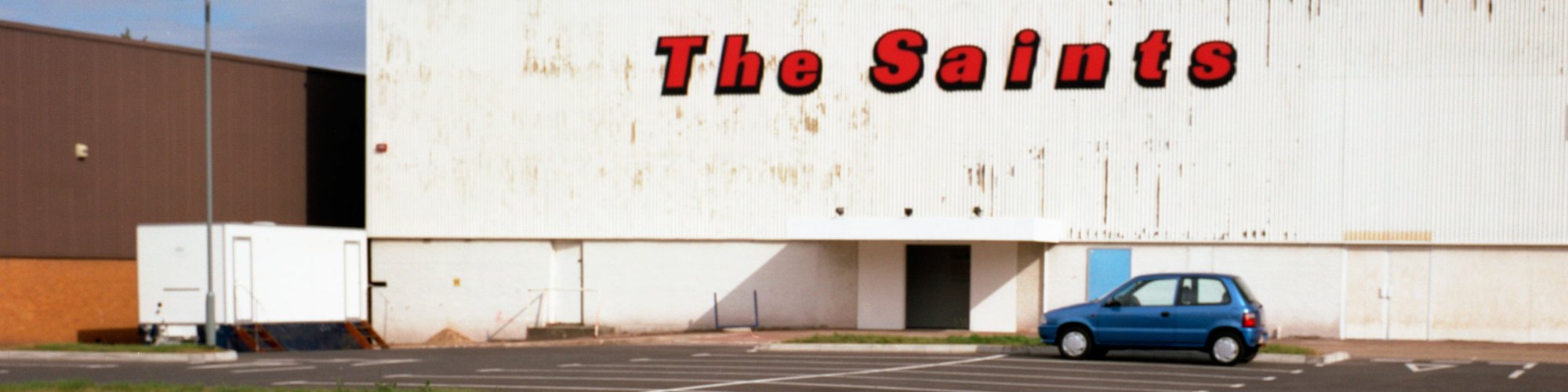
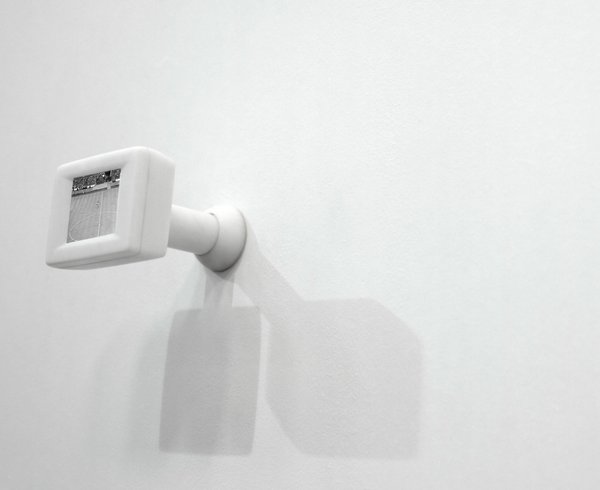
A sound and video installation that captures the fervour of one of the UK’s most famous sporting events, and the first match broadcast live to a global audience—the 1966 World Cup Final between England and Germany. Fascinated by the dynamics of great sporting occasions, the artist has created a 16-channel sound piece accompanied by two single-channel videos and 1 monitor, that moves the spectator around the the space to experience the enthusiasm, edgy anxiety and intense communal joy of the now phantom spectacle.
Register your interest
Fill out the form to find out more about how you can borrow and present this work, including tech specs, use cases, and more.
Paul Pfeiffer in conversation with Jasper Sharp
An excerpt from The Collection Book.
Edited by Eva Ebersberger and Daniela Zyman (2009)
Jasper Sharp: I am curious to know how your thinking about the 1966 game developed, in terms of the way that you planned to somehow re-enact it.
Paul Pfeiffer: I had the idea to try to reproduce the crowd and the sounds from the 1966 final. Not the commentator or the explanation of what was going on in the game, but rather the visceral noise of the fans and their singing of what were essentially loaded nationalist and religious anthems like When The Saints Go Marching In within the seemingly mundane context of a sporting event. I was interested to recreate these sounds using a contemporary multitude, specifically in the Philippines. I liked the idea that reproducing the sounds in this way has no logical or historical connection to the site. There is no link.
Paul Pfeiffer
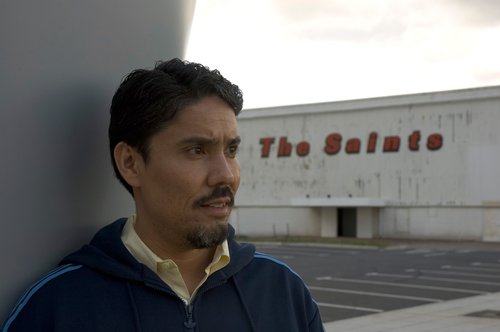
Paul Pfeiffer
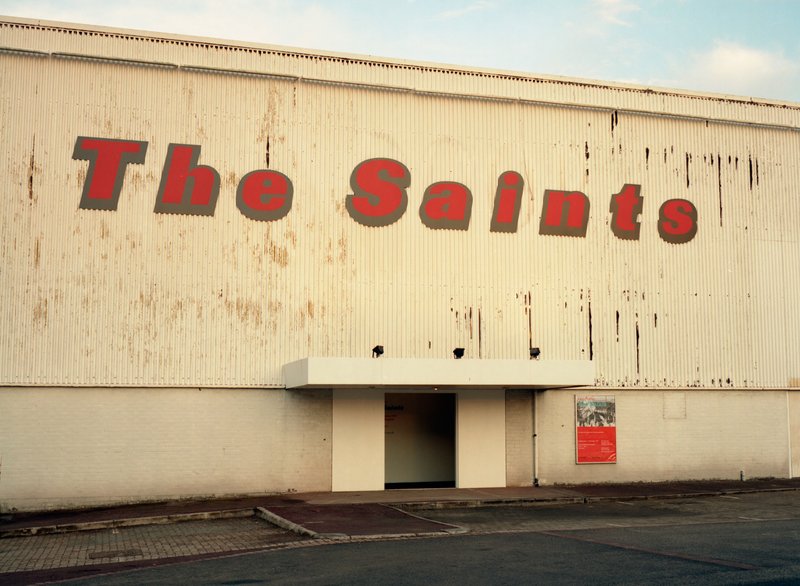
Paul Pfeiffer first worked with Artangel on The Saints in 2007, and then in 2014 when he produced his first online work, Jerusalem.
Paul Pfeiffer is one of the most inventive artists currently working within the field of sound, video and new digital media today. Using sophisticated editing techniques to reconfigure footage from famous moments in pop music and sport, he creates works that look at the role iconic figures have within a global world of images to ask why we need these figures, and how we are made to identify with them.
Meticulously crafting moving sequences from the global archives of images, Pfeiffer has created a body of work that resonates prophetically with our present. His work examines the power of mediated imagery in a consumer-driven society where heroes and their worshipping communities are multiplied throughout the world.
Over the past several years Pfeiffer has exhibited in group shows in many museums around the world including the MoMA and Whitney museums in New York, Venice Biennale, Whitechapel Art Gallery, London and the Castello di Rivoli, Turin. He has recently had solo shows at the Museum of Contemporary Art, Chicago and K21, Düsseldorf, Germany.
Brought up in the Philippines, Pfeiffer now lives and works in New York City.
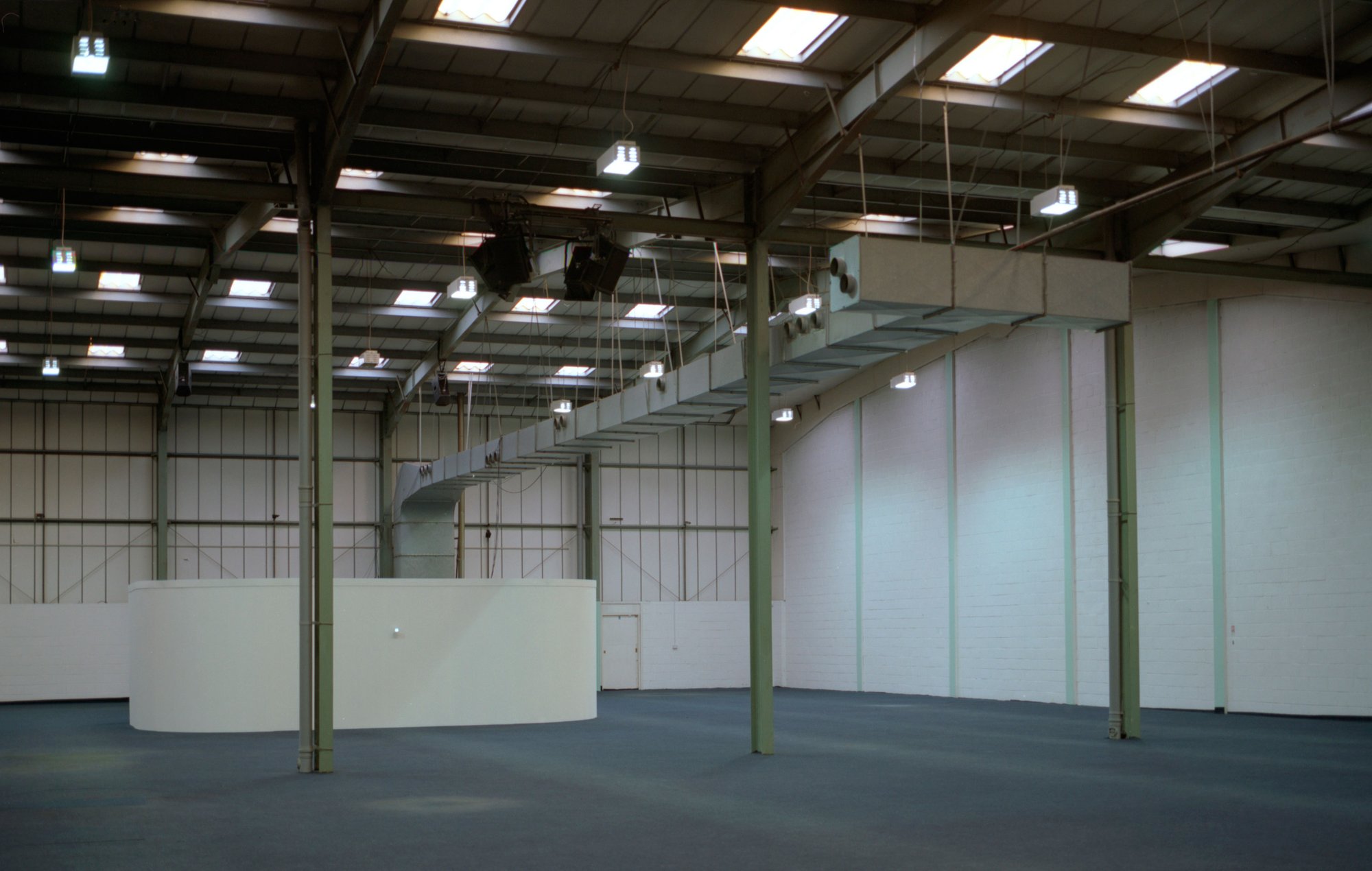
Images: Interior of the empty warehouse space in Wembley Retail Park used for The Saints (left); Paul Pfeiffer in 2007 (above). Photographs: Thierry Bal
My pulse is still racing. I’ve just been to Wembley and watched probably the greatest football match played in my lifetime. The atmosphere was incredible: deafening crowd noise, amazing passion on the pitch, bizarre twists in the game. And the most astonishing thing? Apart from the man on the door, I was the only person there. — Richard Morrison, The Times, 6 October 2007
It's not often that Free Lions comes over all cultured, but we thought we'd bring to your attention a work of art celebrating the crowd at the 1966 World Cup final here at Wembley. [...] Naturally, being art, there's a twist. The original crowd noise is supplemented by the reactions of another crowd especially convened to watch a video of the final – in Manila in the Philippines. — Free Lions: The England Fanzine from the Football Supporters' Federation, September 2007
The immediate sensation is one of complete disembodiment; especially as you are likely to be alone or nearly alone in the abandoned store, yet feel as though surrounded by the thousands of raucous white shirts regularly found in the arena across the road. — Ossian Ward, Time Out, 26 September 2007
Pfeiffer’s work is meticulous and amounts to a vivisection of both a heroic moment in a specific cultural heritage and its ongoing translation into a myth, which is apparently translatable, mutable into other, broader contexts. His work uncovers and displays a suggestion towards a cultural identity that is there and at the same time not there, represented yet absent, perpetually on the verge of mirroring itself and/or its surroundings, implicating alternate perspectives. — Wiebke Gronemeyer, Whitehot Magazine, October 2007
Credits
Funders and collaborators: Outset, Bloomberg and Ellipses Foundation.
Artangel is generously supported by Arts Council England and the private patronage of the Artangel International Circle, Special Angels, Guardian Angels and The Company of Angels.